Bit-Perfect Playback and Kora: Understanding the Signal Path

High-resolution playback is about more than the largest number on a specification sheet. It also depends on the path between the music file, the playback software and the receiving DAC. Bit-perfect playback describes one particular goal: preserving the decoded audio samples through that digital path.
Lossless decoding and sample-rate conversion are different
A lossless music file can store audio in a compressed form without discarding its original sample information. Decoding that file for playback is different from changing its sample rate, applying equalization or adjusting it with software volume processing.
Sample-rate conversion creates a new sequence of samples at a different rate. It can be useful when deliberately chosen, but it is still processing. Playing a higher number on the DAC display does not by itself mean that more original detail has been recovered.
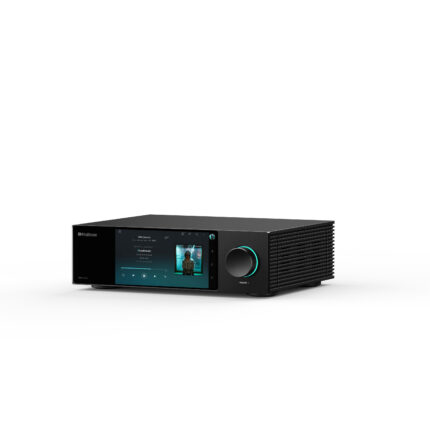
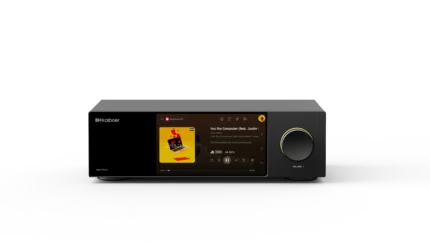
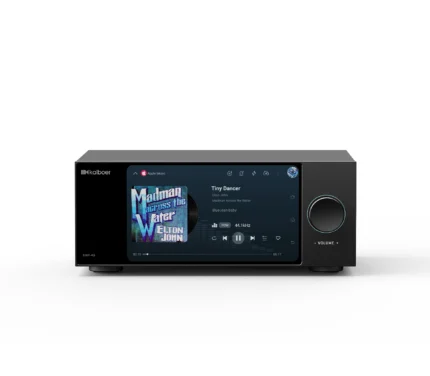
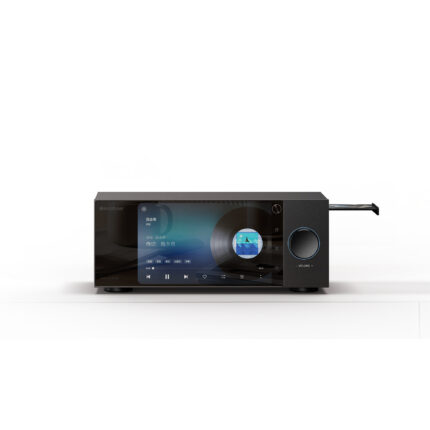
What Kora brings to the source path
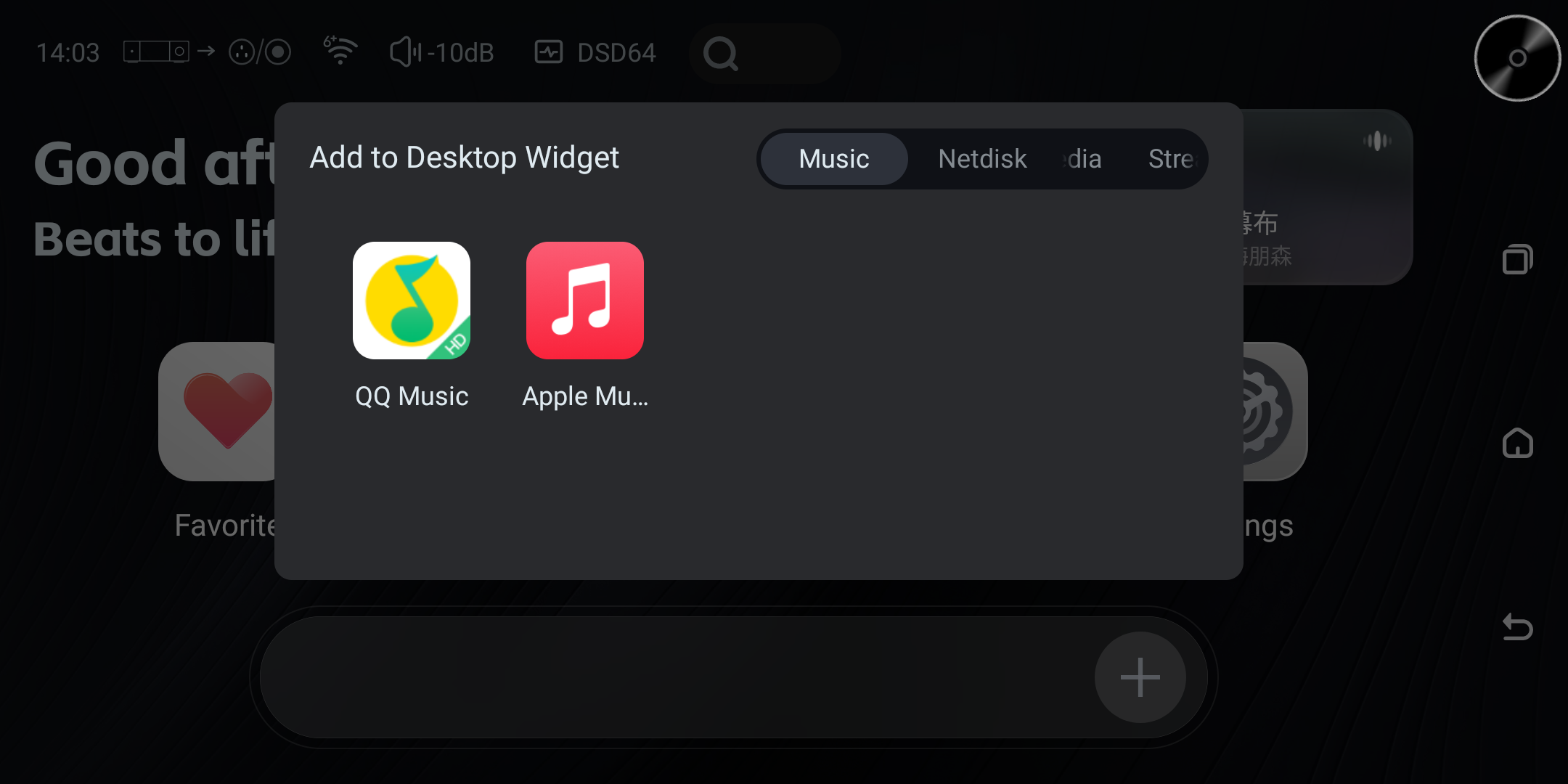
KAIBOER describes native-rate audio paths in its Kora music platform, including supported local and cloud playback routes. The purpose is to avoid unnecessary system sample-rate conversion and let a compatible DAC receive the intended format.
The exact result depends on the model, firmware, music application, output interface and receiving DAC. Treat the published capabilities as a starting point, then confirm the path used by your own system.
A practical baseline
Choose a familiar lossless track and identify its original sample rate. Use a supported digital output and, for this check, disable optional EQ, upsampling and other audio processing. Keep the playback application’s audio configuration consistent.
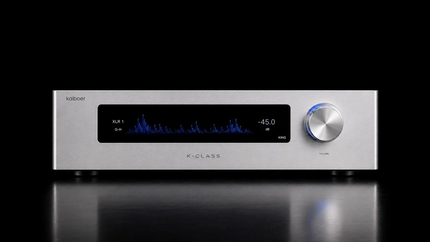
Where the DAC displays an incoming rate, compare it with the source. A matching rate is a useful diagnostic clue, although it is not proof that every sample is unchanged. Bit-perfect verification requires a suitable test method; a screen reading alone cannot establish it.
Choose processing intentionally
Bit-perfect playback is a useful reference mode, not a reason to avoid every DSP feature. EQ can help shape a system for your room and preferences, and upsampling can be explored as a deliberate playback choice. The important distinction is knowing when processing is active.
Begin with a clear, repeatable baseline. Then change one setting at a time, keeping listening level comparable. Kora is designed to make modern music access practical; understanding the signal path helps you use that flexibility with confidence.
Explore further
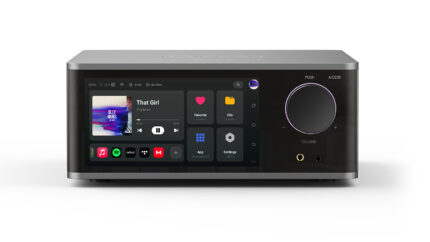
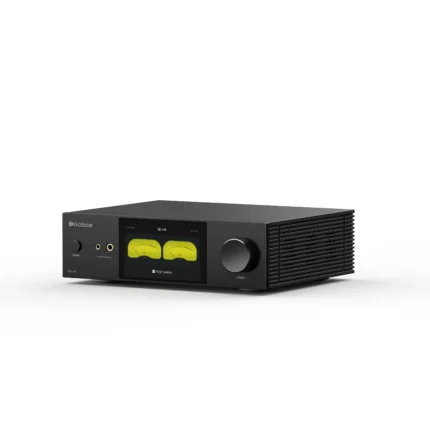
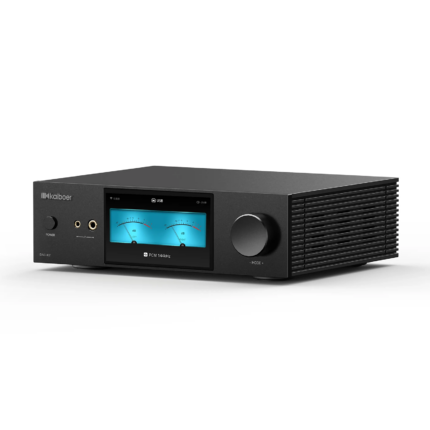
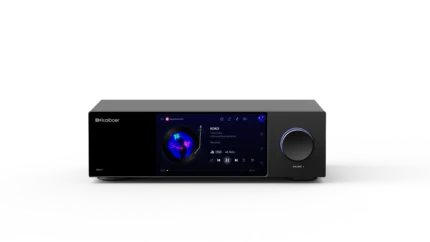
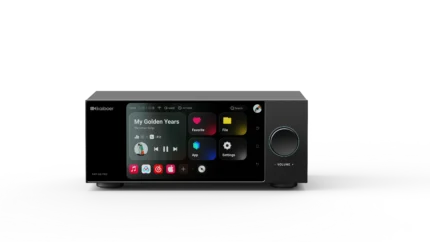
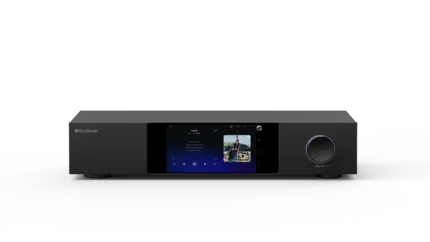
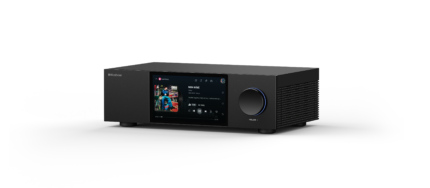
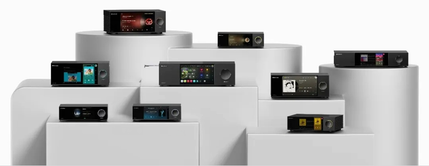
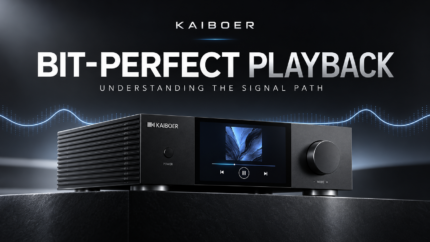
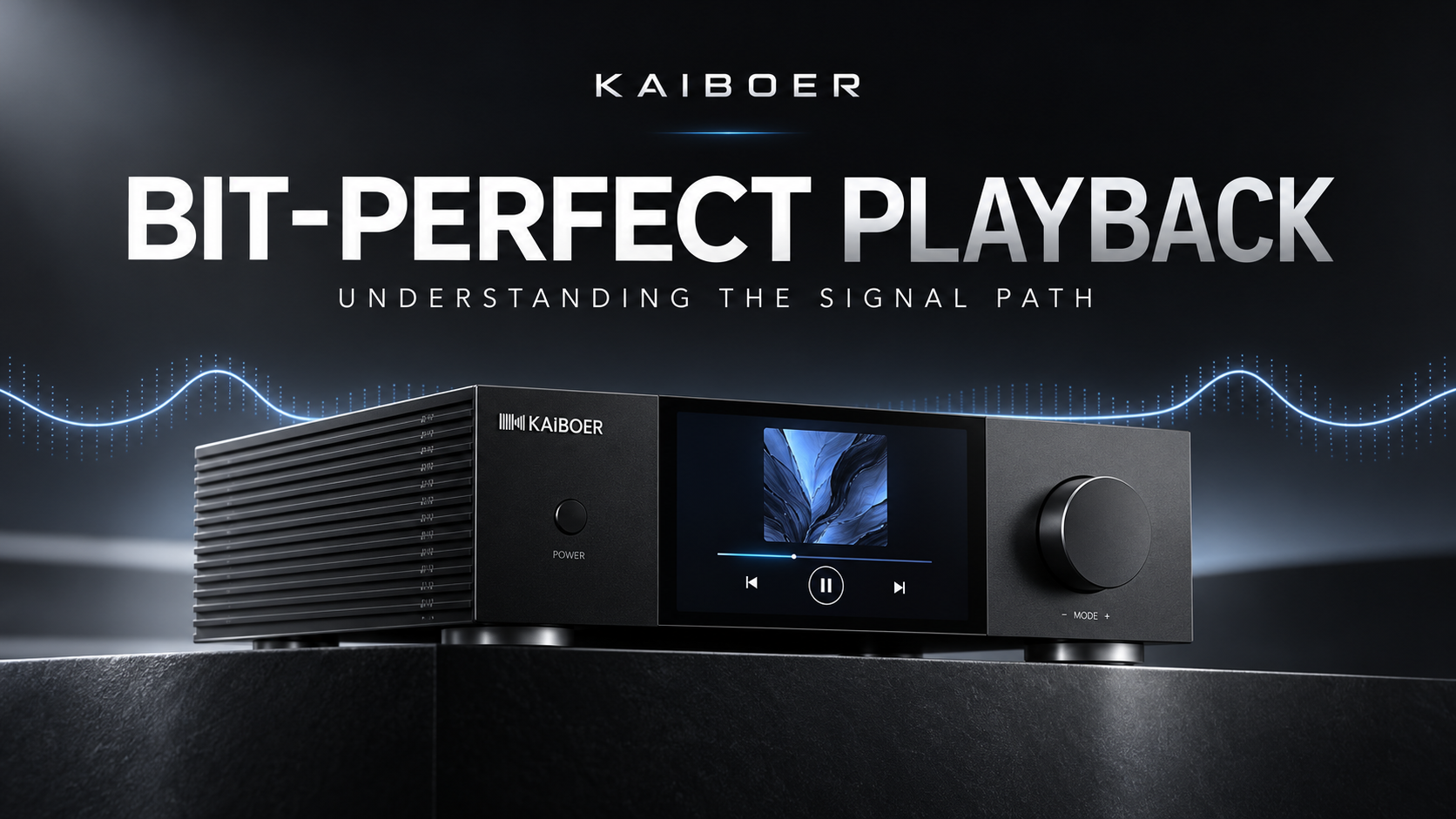
Cover: editorial illustration. Product appearance and on-screen interfaces may vary by model and firmware.