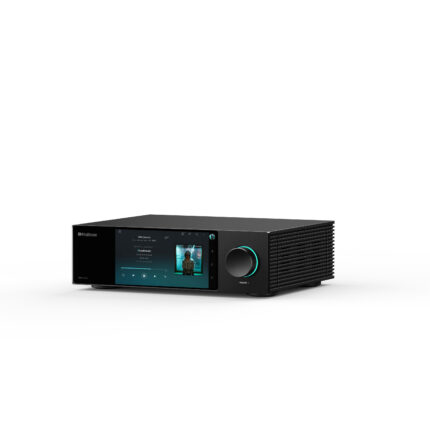
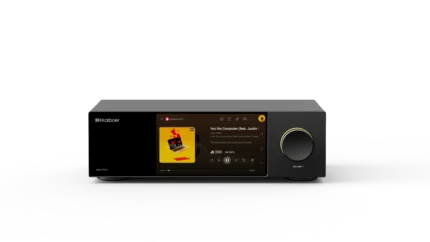
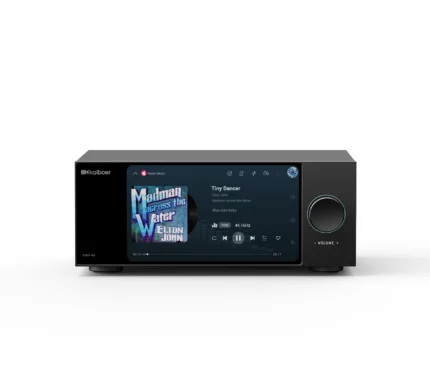
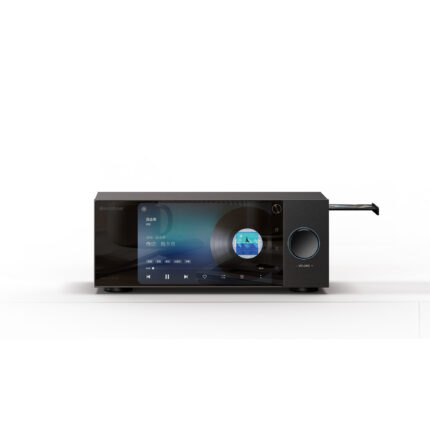
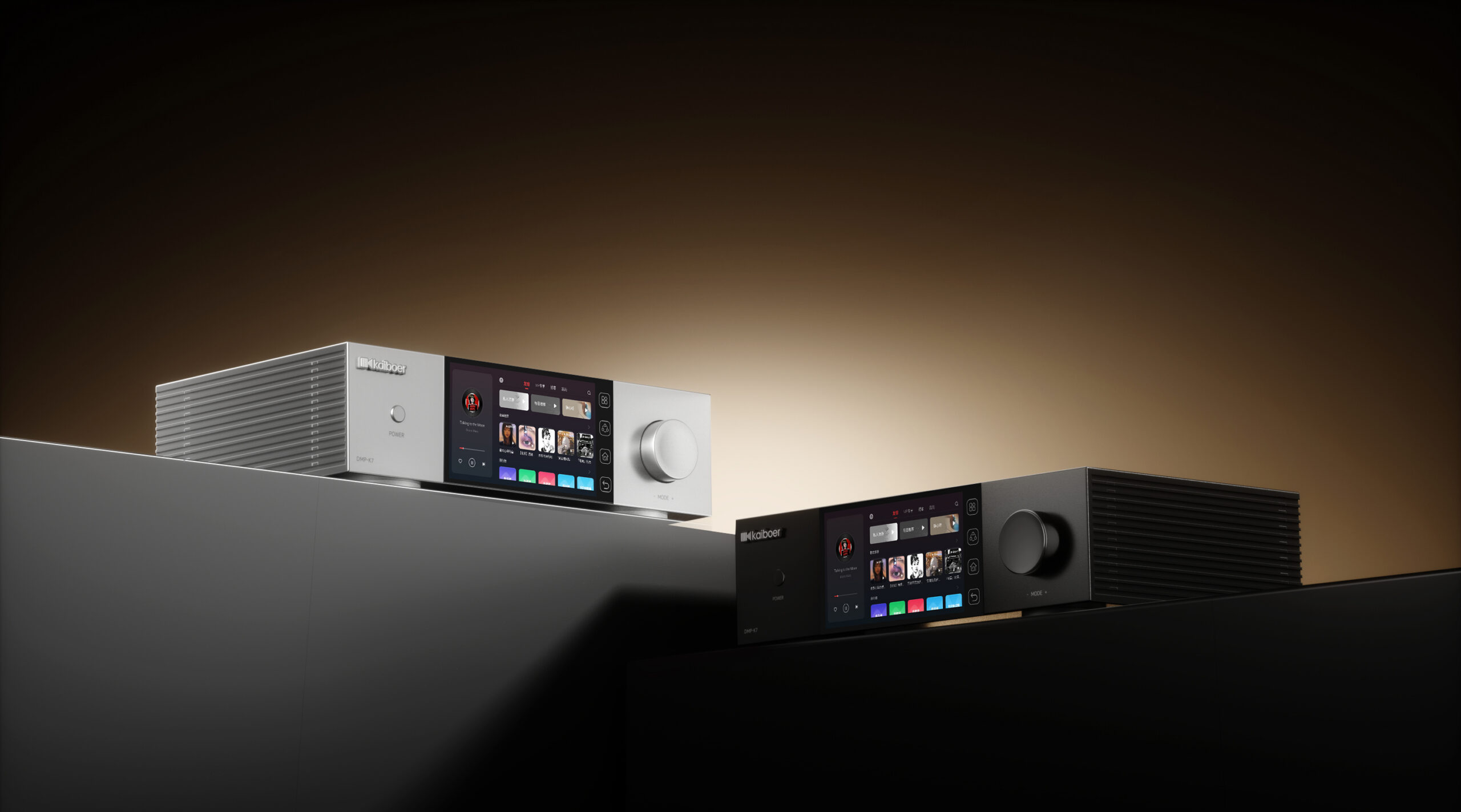
KAIBOER DMP-K7: A Dedicated Digital Transport for Your DAC

A capable DAC needs an equally considered source. KAIBOER’s original DMP-K7 article compared the relationship to a skilled chef who benefits from good ingredients and a well-organized kitchen: a digital transport should provide the signal and controls that let the DAC do its job.
Phones and general-purpose computers can serve as sources, but their power arrangements, software paths and operation may create compromises. The DMP-K7 was designed as a dedicated platform for a DAC-based listening system.

Why use a dedicated transport?
The original article identified several concerns with phone and PC playback: interference from shared circuits, limited power from mobile USB ports, sample-rate conversion in Android and timing errors. Depending on the equipment and playback software, these can complicate a high-resolution audio setup.
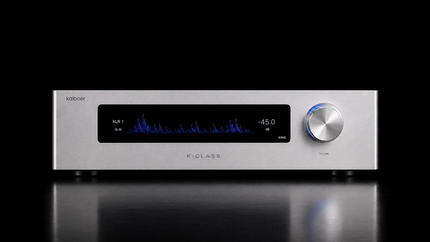
The DMP-K7 combines specialized hardware with a music-focused interface, aiming to make both the signal path and everyday operation more straightforward.

Linear power and precise timing
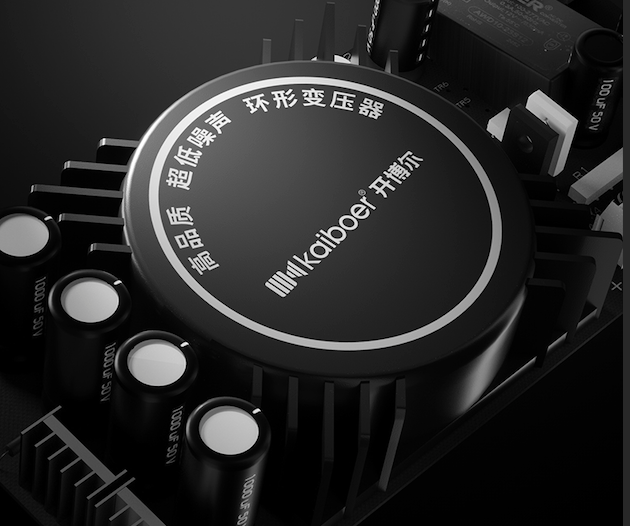
A custom linear power supply and an encapsulated toroidal transformer provide stable power while reducing electromagnetic interference. The design aims for a low-noise background that preserves quiet musical detail.
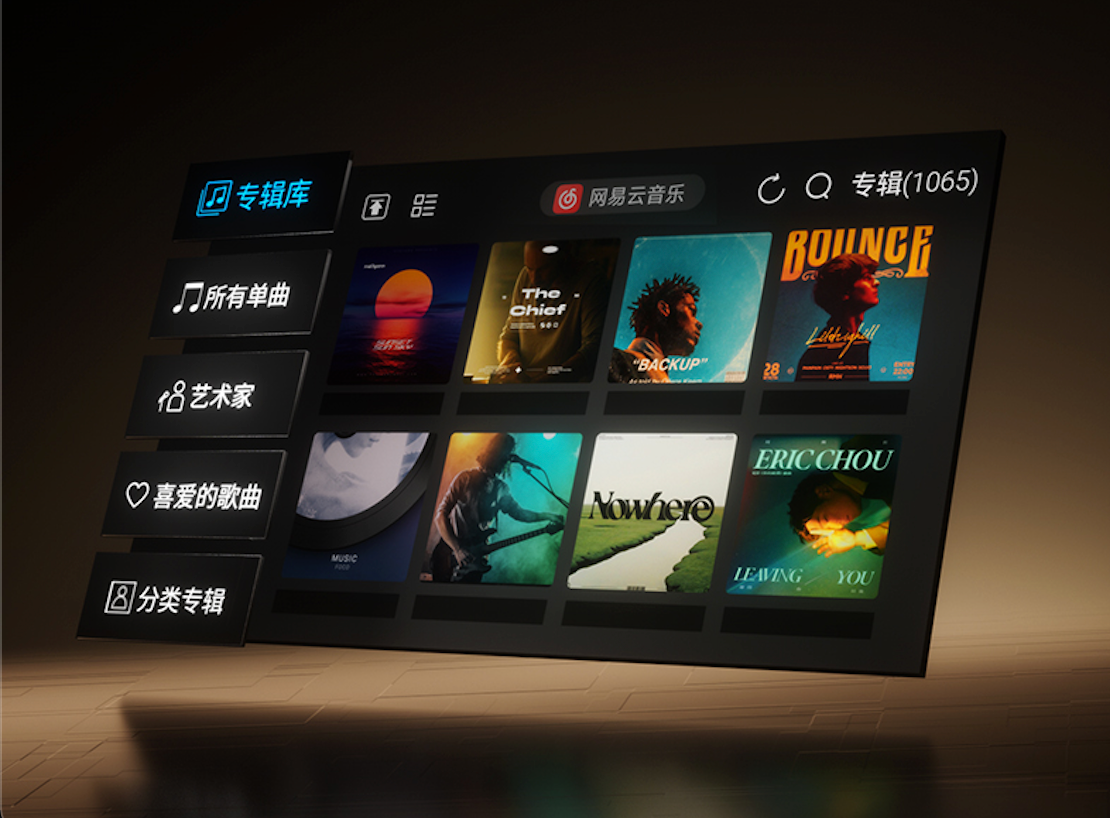
MUPURE, the system name used in this April 2025 announcement, supports a system-wide passthrough mode that bypasses Android sample-rate conversion. Local files and compatible streaming applications can send audio at its native sample rate to the DAC.
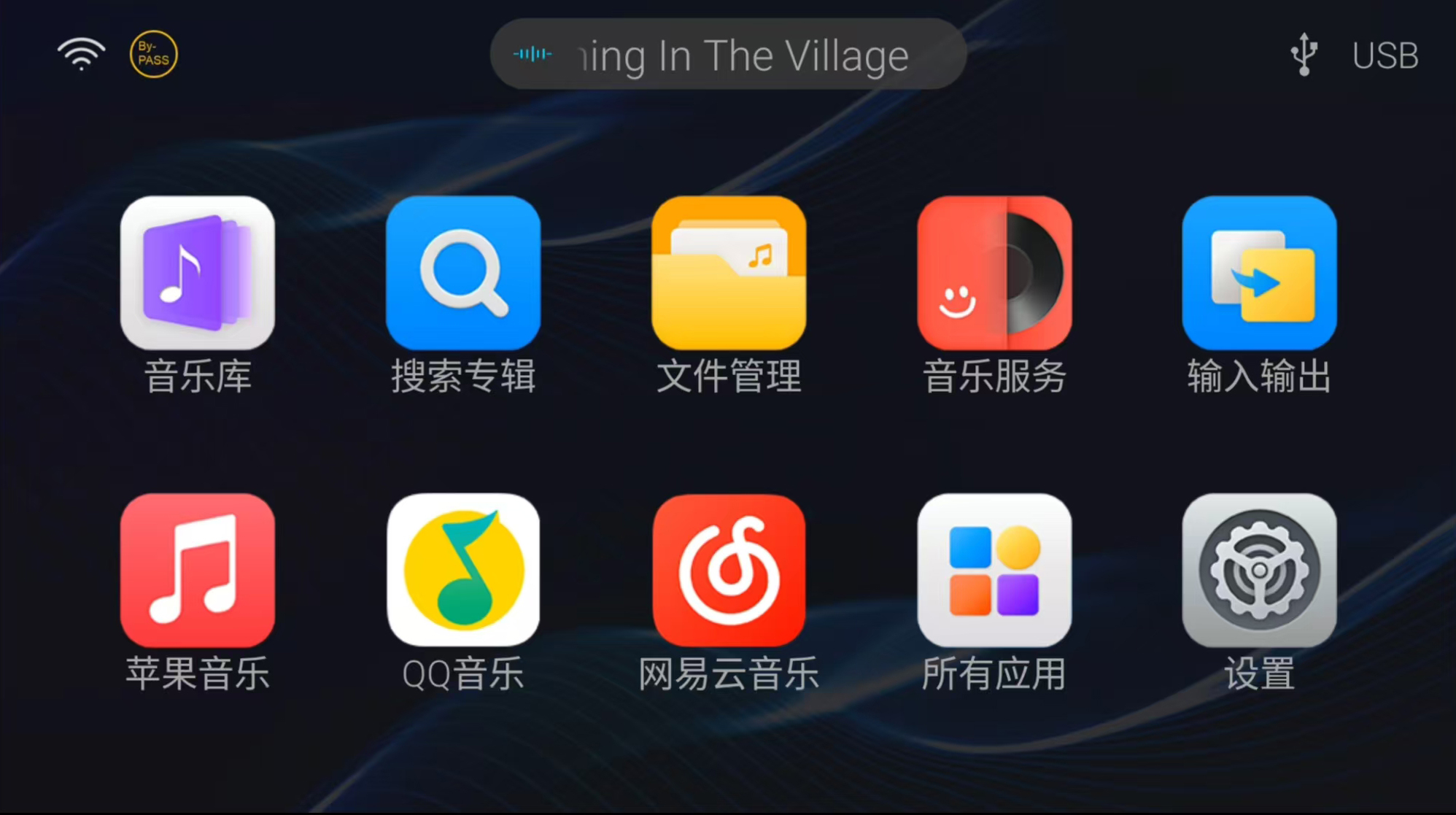
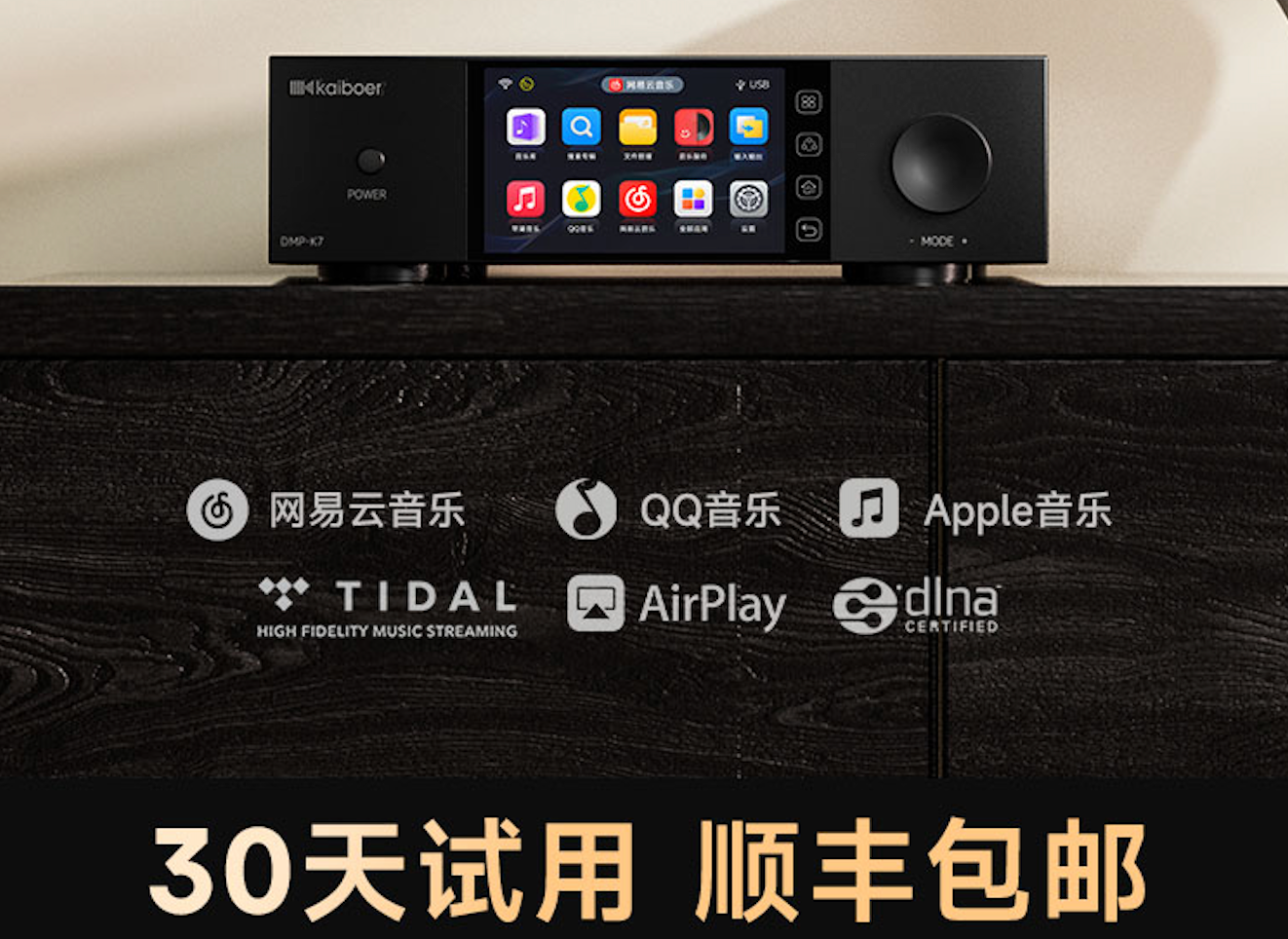
The article cited services including Apple Music lossless playback, QQ Music and NetEase Cloud Music. A femtosecond clock works with the linear power architecture to reduce jitter, with particular attention to high-resolution and DSD playback.
Control from the screen or your phone
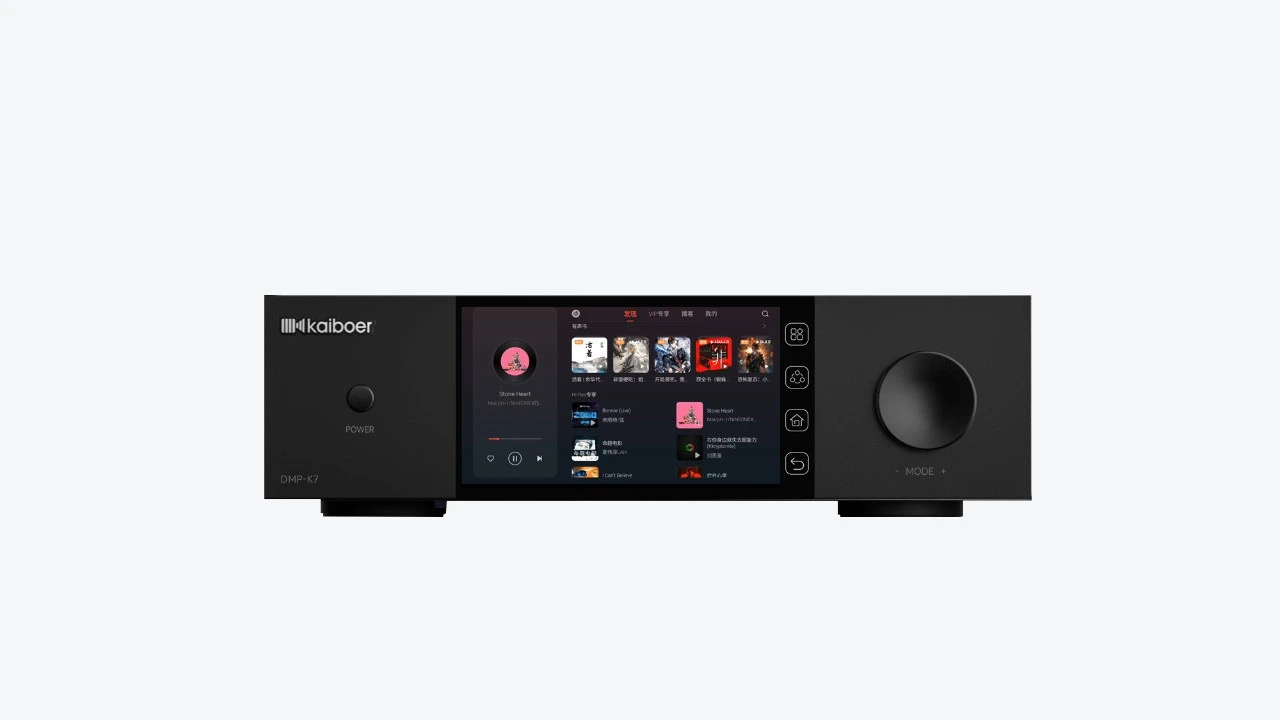
The DMP-K7 supports parallel control from its own interface and a phone. The MUPURE companion app provides local-network remote operation, including a phone-adapted mode and synchronized screen mirroring with touch control.
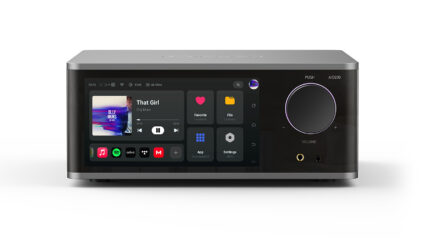
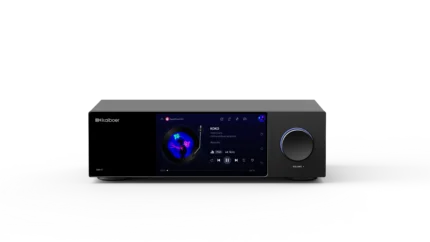
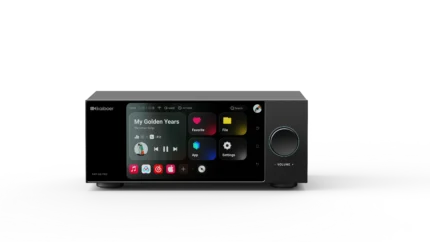
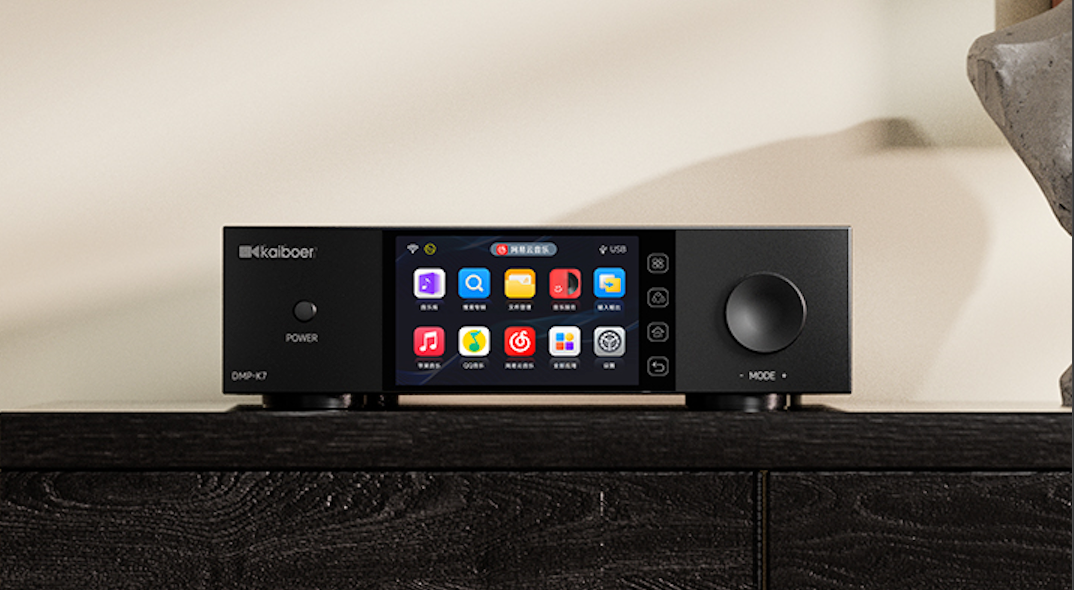
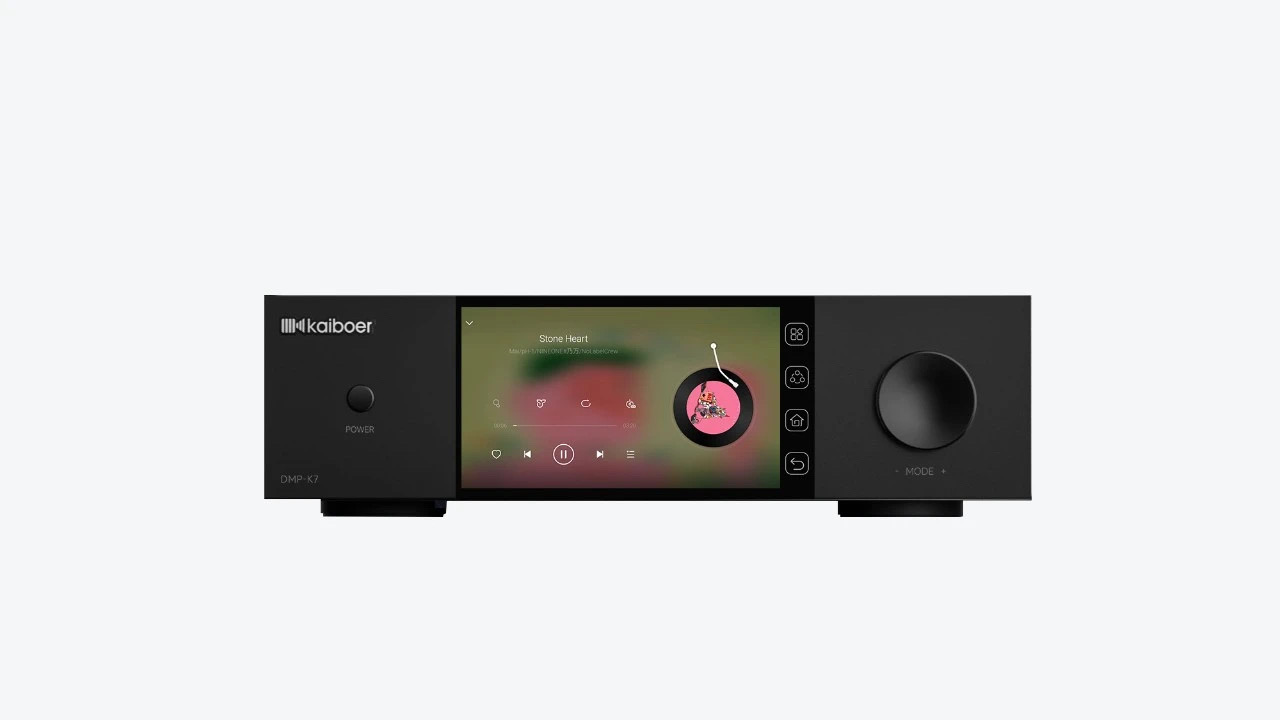
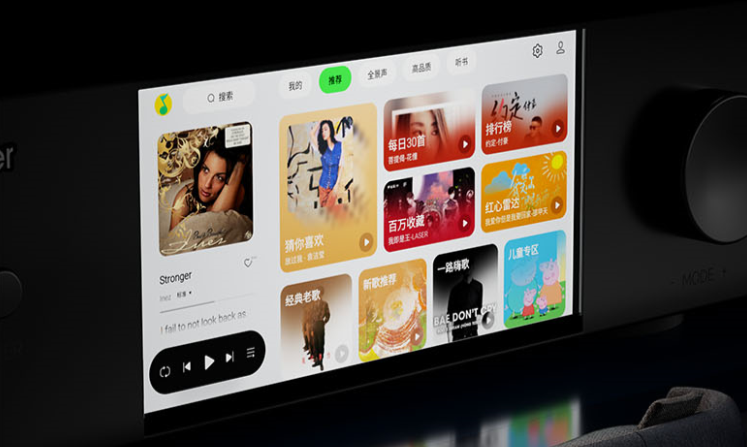
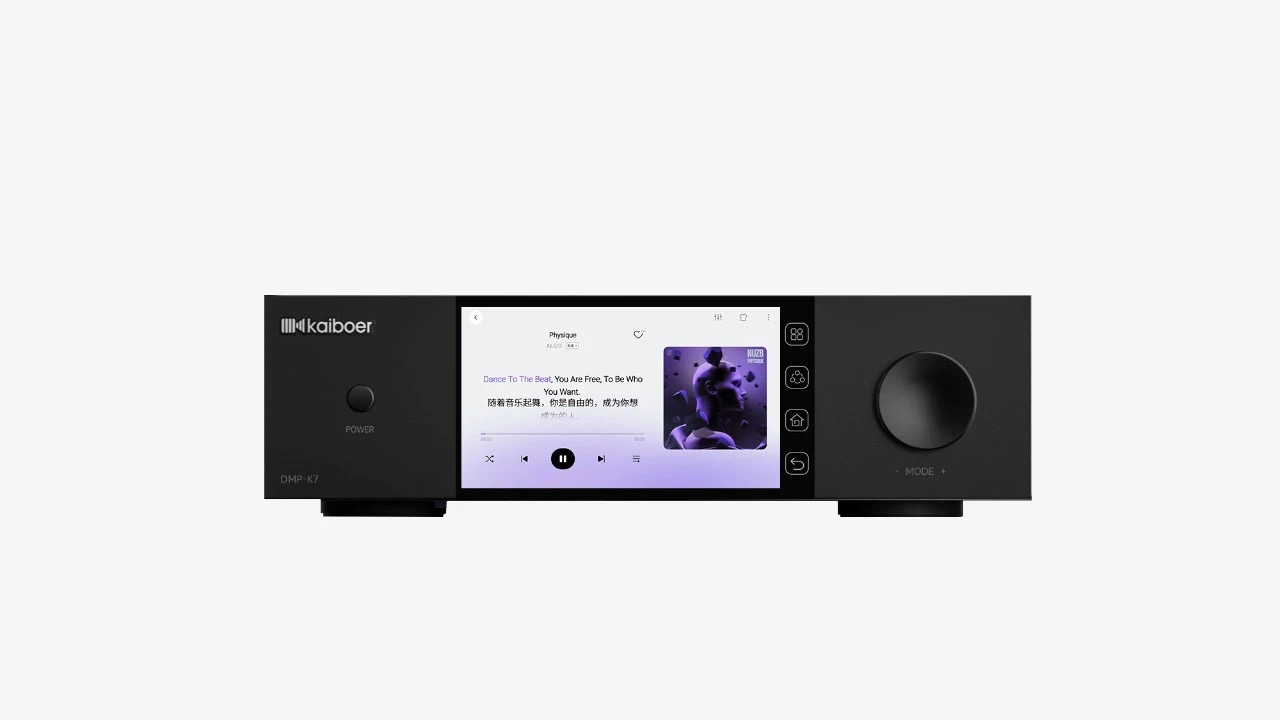
The device has a 6-inch Full HD touchscreen. DLNA and AirPlay provide additional streaming options for compatible Android and Apple devices, while music apps such as Apple Music, Spotify and QQ Music can be used through supported playback routes.
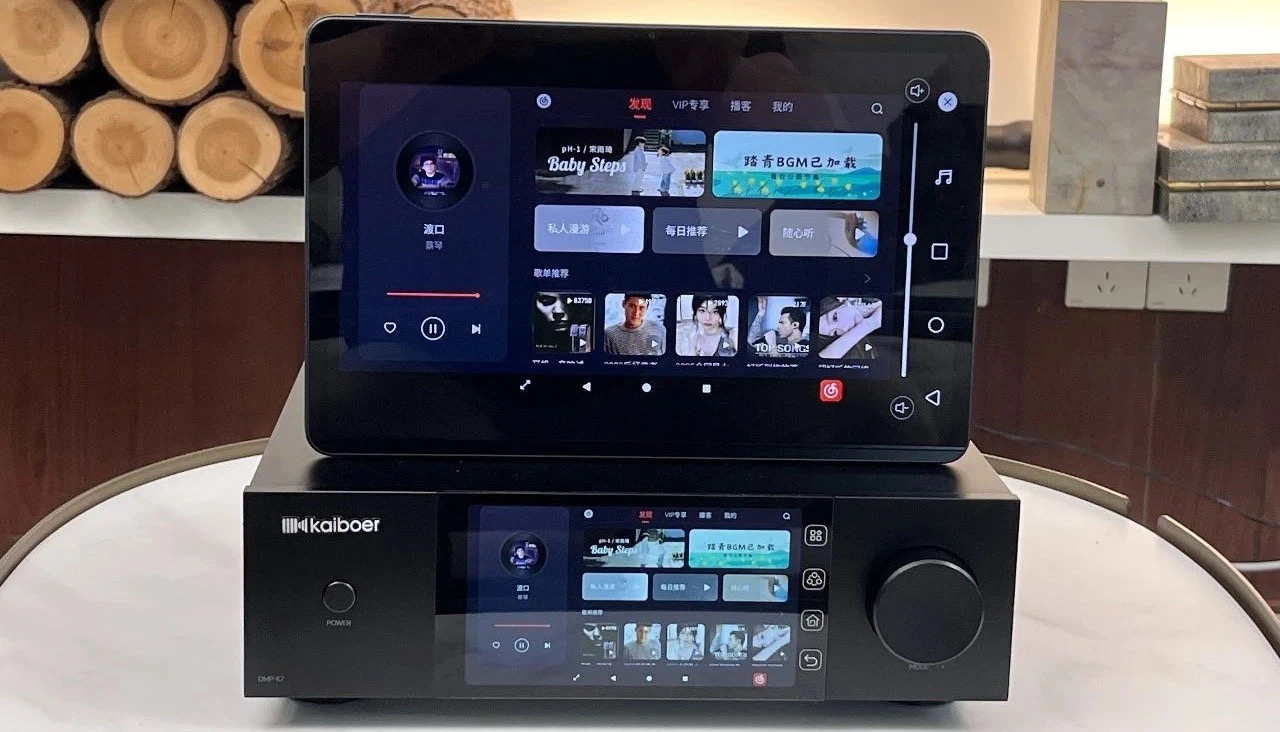
A floating interface element, described in the original article as similar to a Dynamic Island, makes it easier to move between the main player and different applications without repeated navigation.
Wi-Fi and Bluetooth
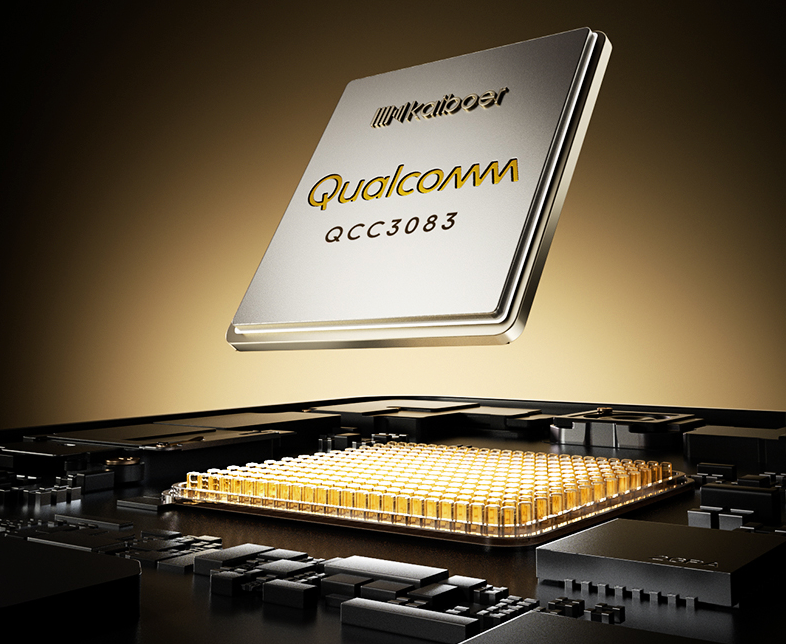
The announced wireless hardware includes a Broadcom Wi-Fi 6 solution and a Qualcomm QCC3083 Bluetooth chip. The listed Bluetooth features include LDAC, aptX Adaptive and LE Audio.
The transport can send music to compatible Bluetooth headphones or speakers and can also work as a Bluetooth receiver, offering additional listening arrangements without connecting every component by cable.
Cloud-drive playback
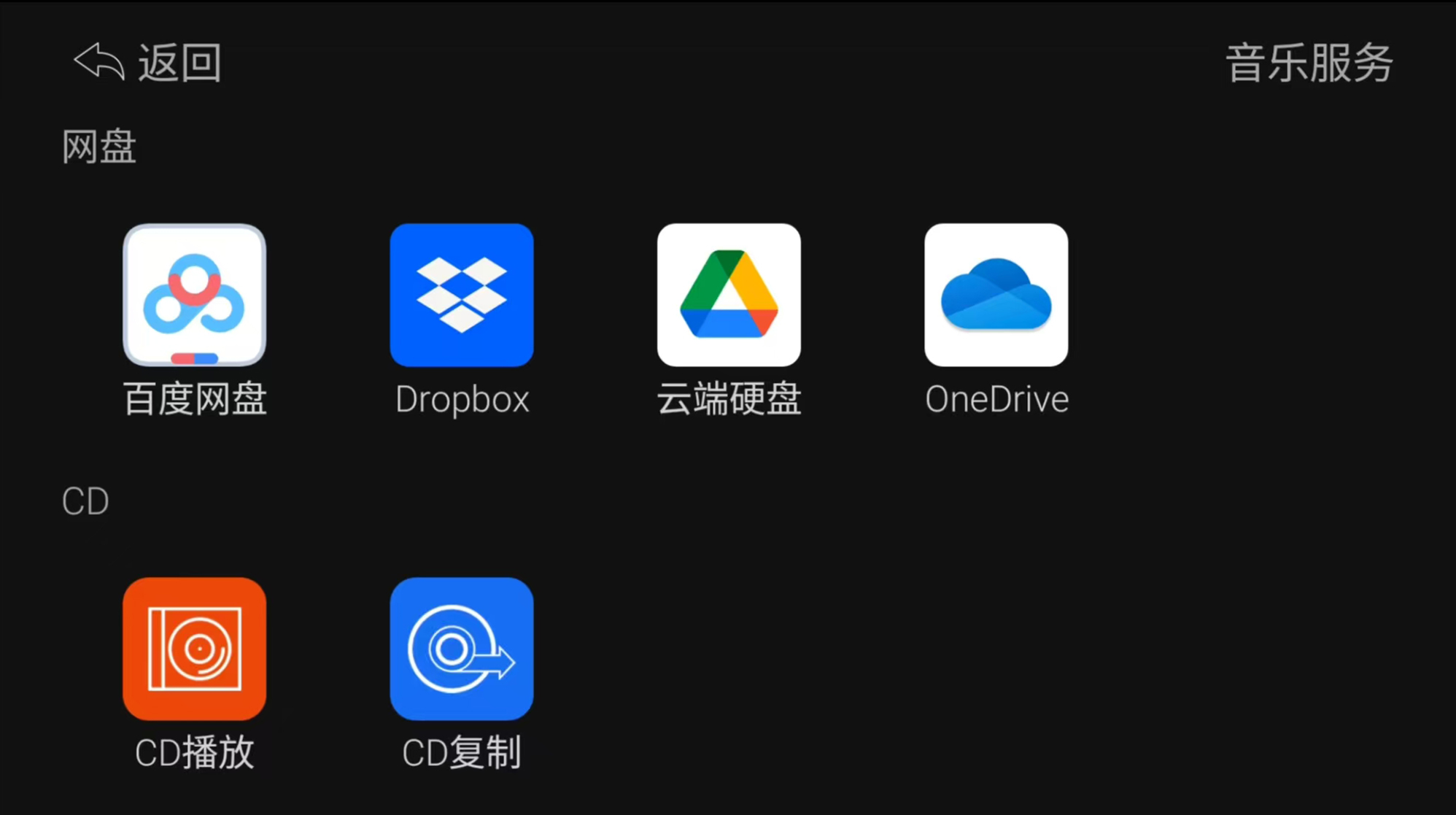
The DMP-K7 supports direct playback through compatible cloud-drive apps, with Baidu Netdisk and OneDrive cited in the original article. This gives users a way to access their own cloud music libraries without first manually downloading the whole collection to local storage.
Upsampling options
KAIBOER’s audio laboratory developed a sample-rate multiplication algorithm for the platform. The original listening account described changes in perceived density, tonal balance and spatial presentation when using this processing with lower-resolution sources.
Upsampling is an optional processing approach; its effect depends on the source, settings and the rest of the system.
Listening comparisons from the original article
For local playback, the team used Tsai Chin’s The Ferry to compare the DMP-K7 with a conventional computer source. The published account described firmer bass, more clearly defined drum attacks, subtle vocal texture and more audible breath detail with the dedicated transport.
For streaming, Beethoven’s Fifth Symphony was used to discuss contrasts between powerful peaks and quiet passages. KAIBOER’s listening account described more distinct instrument groups and a clearer sense of dynamic movement.

The Bluetooth comparison used LDAC playback of Hotel California, contrasting the DMP-K7 as transmitter with direct phone playback. The article described a wider soundstage and clearer placement, along with the practical benefit of uninterrupted listening without phone notifications.
These comparisons represent KAIBOER’s own listening impressions in the original April 2025 article.
Platform and connection highlights
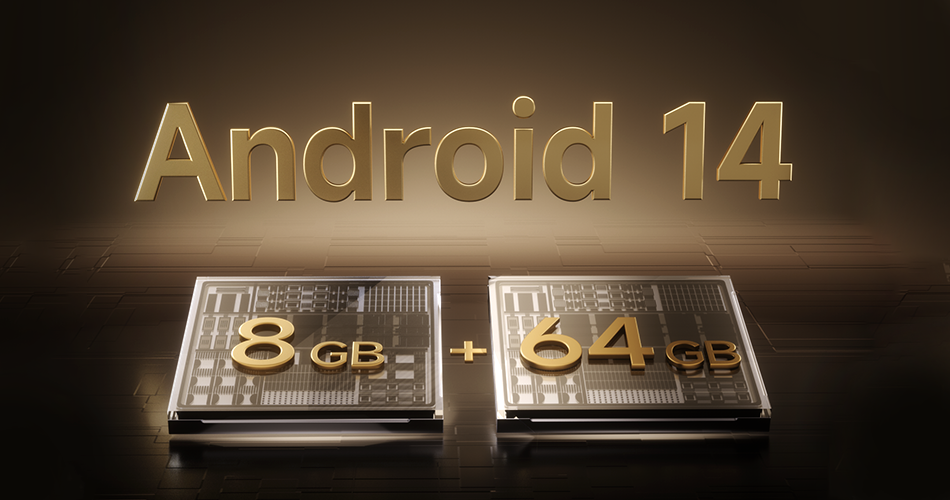
- MUPURE is based on a customized Android 14 platform. In addition to the optimized music apps provided by KAIBOER, users can install compatible Android applications.
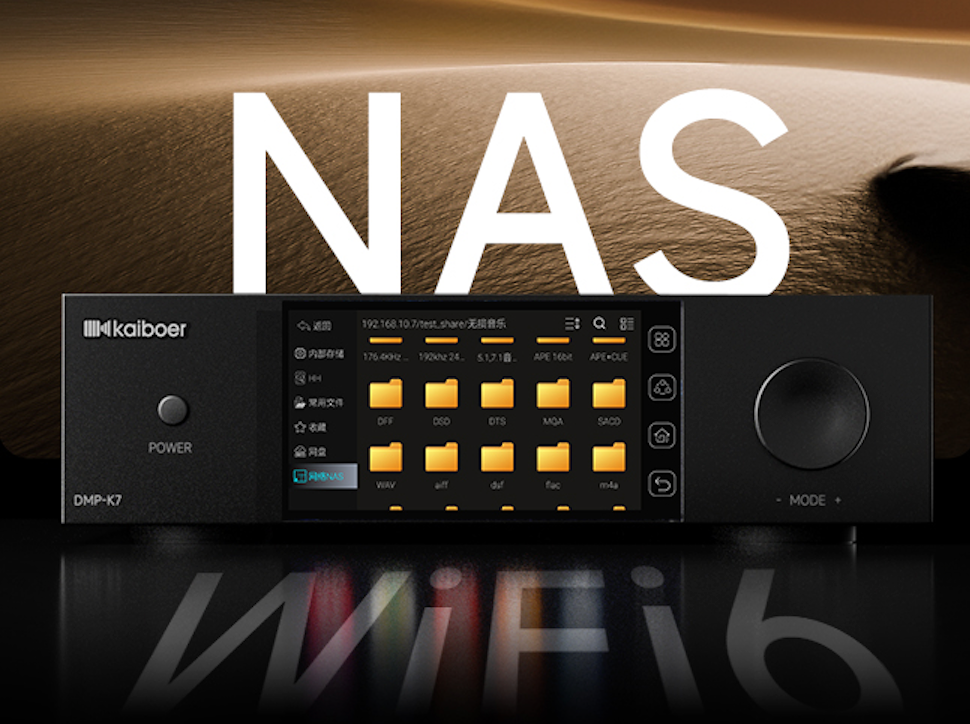
- Network features include NAS access over Wi-Fi and storage-sharing functions.
- Memory and storage are 8 GB RAM and 64 GB internal storage.
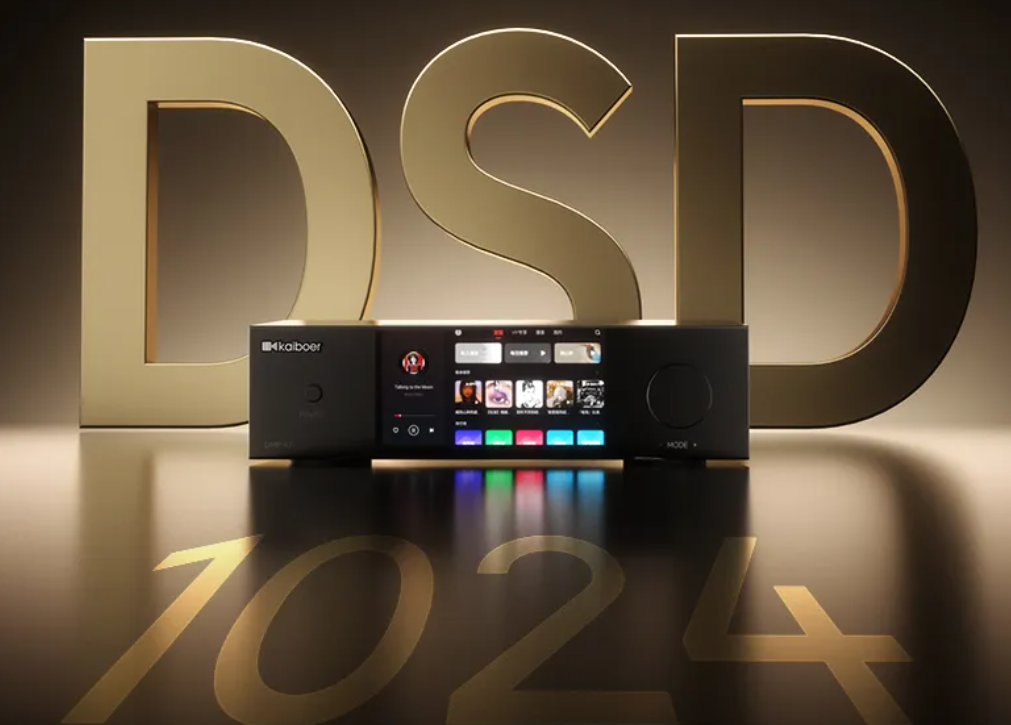
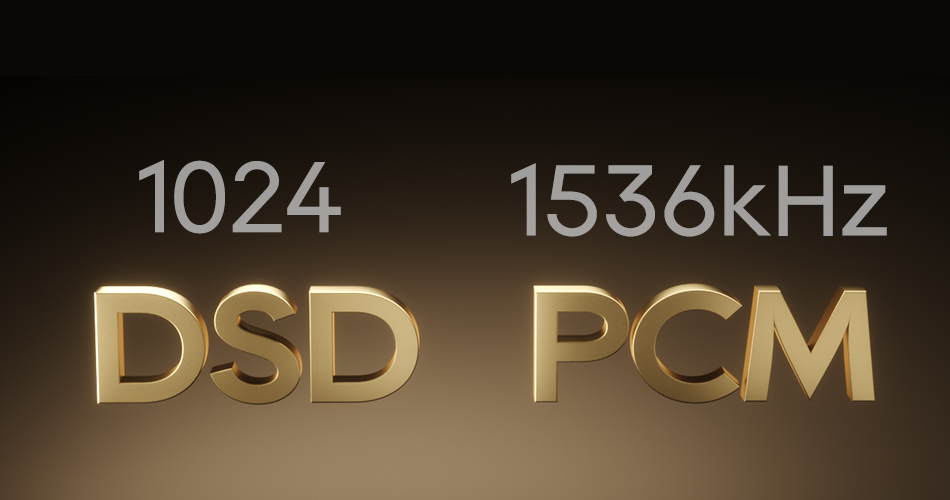
- The announced local format support extends to DSD1024 and PCM up to 32-bit/1536 kHz; usable output depends on the connection and receiving DAC.
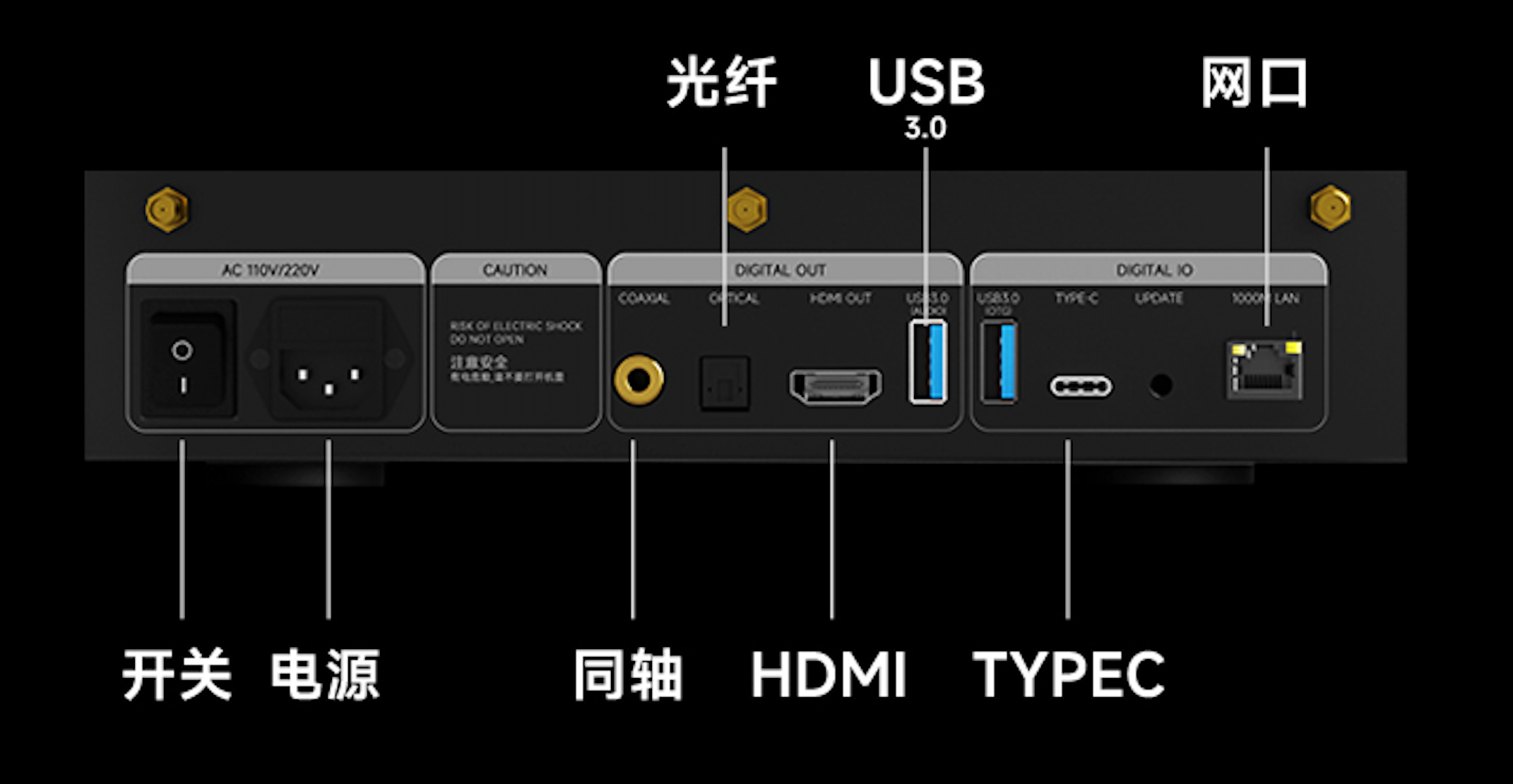
- The listed connections include USB Audio 3.0, USB Type-C, HDMI, optical and coaxial.

The original Chinese launch offer
At the time of the article, the DMP-K7 was on sale through KAIBOER stores on Tmall, JD.com, Douyin and Pinduoduo. The Chinese promotion used the code “Silver Sky” and advertised a 30-day trial, one-year price protection and a cable package valued at RMB 647.
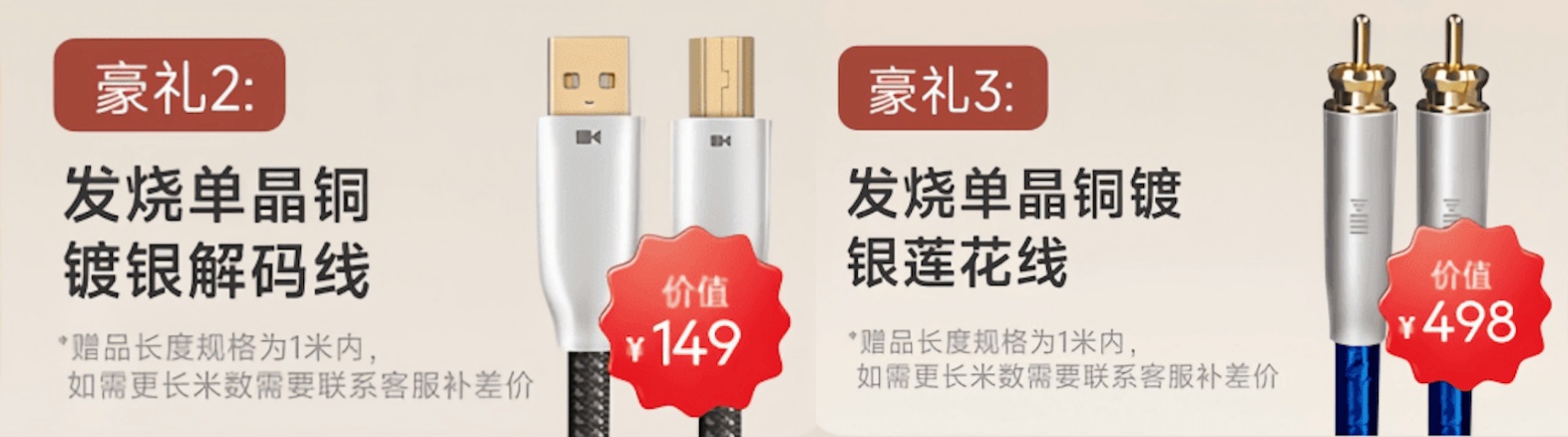
That package included a silver-plated single-crystal copper USB audio cable valued at RMB 149 and an RCA cable valued at RMB 498. These details describe the historical Chinese launch campaign and do not establish a current or international offer.
The DMP-K7 brings a dedicated source, flexible music access and convenient controls together, offering an alternative to managing a general-purpose phone or computer as the center of a Hi-Fi system.
English adaptation of the original KAIBOER Chinese article, published 2025-04-10. Original images retained.