KAIBOER DAC-K9 Preview: Wi-Fi Streaming and Dual ES9039PRO Decoding

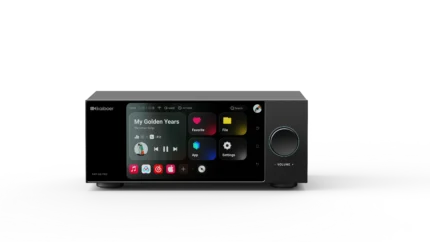
KAIBOER’s Hi-Fi Seed Plan takes another step with the DAC-K9 high-resolution audio DAC. This July 2025 preview introduces wireless Wi-Fi streaming without an Ethernet connection, interactive controls, several VU-meter displays and dual ES9039PRO converters supporting native DSD512 and PCM up to 768 kHz.
Dual toroidal linear power supplies provide the foundation for a component designed to combine audio engineering with an engaging visual interface.
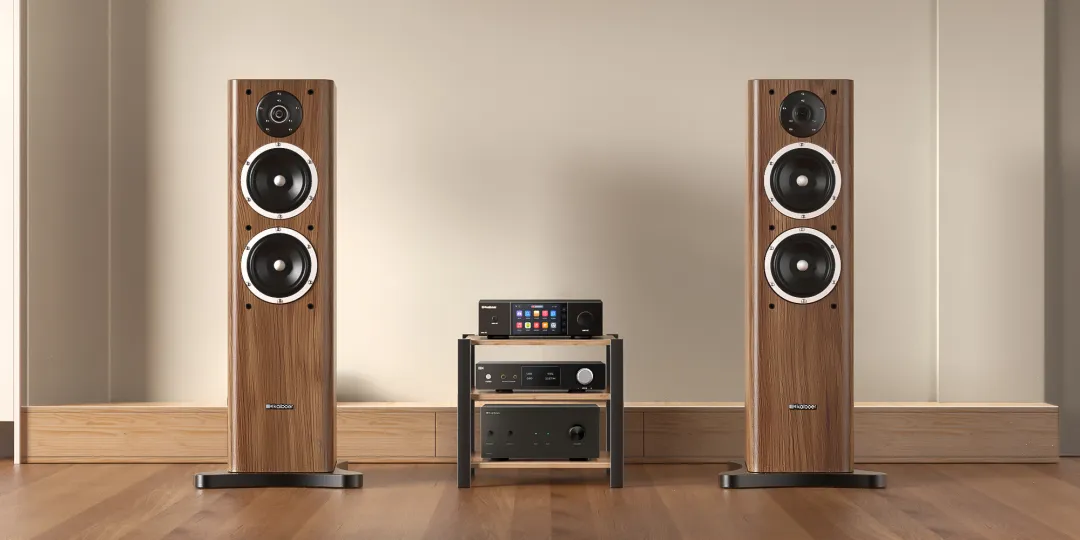
Part of a complete Hi-Fi system
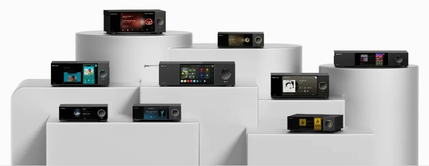
After eighteen years developing enthusiast audio/video equipment, KAIBOER’s aim is to make capable Hi-Fi systems accessible to more music lovers. The Hi-Fi Seed Plan covers streamers, DACs, amplifiers, speakers and their connecting cables.
The original announcement positioned this complete-system approach as a way to reduce the difficulty and cost of matching separate components, with a target cost of around one fifth of a traditional high-end package. The DAC-K9 extends that plan with a dedicated high-resolution conversion platform.

Wireless streaming and a dynamic display
A DAC’s central role is to convert digital audio into analog signals. The DAC-K9 adds wireless streaming input to that role, allowing supported devices to send music over Wi-Fi without first connecting an Ethernet cable.
KAIBOER described this wireless implementation as the result of a year of development. The announcement listed Apple AirPlay and Android DLNA support, with music sent from apps such as Apple Music, Spotify, QQ Music, NetEase Cloud Music and Kugou Music through compatible streaming methods.
The Wi-Fi module was designed with provision for later upgrades to additional formats and protocols. Such future capabilities were plans in the original preview.
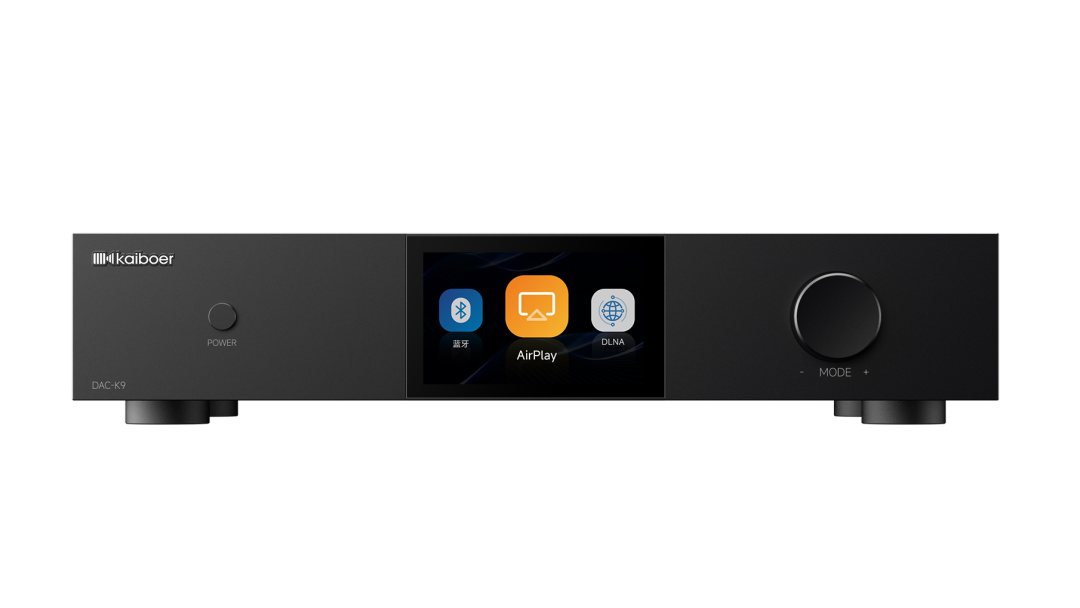

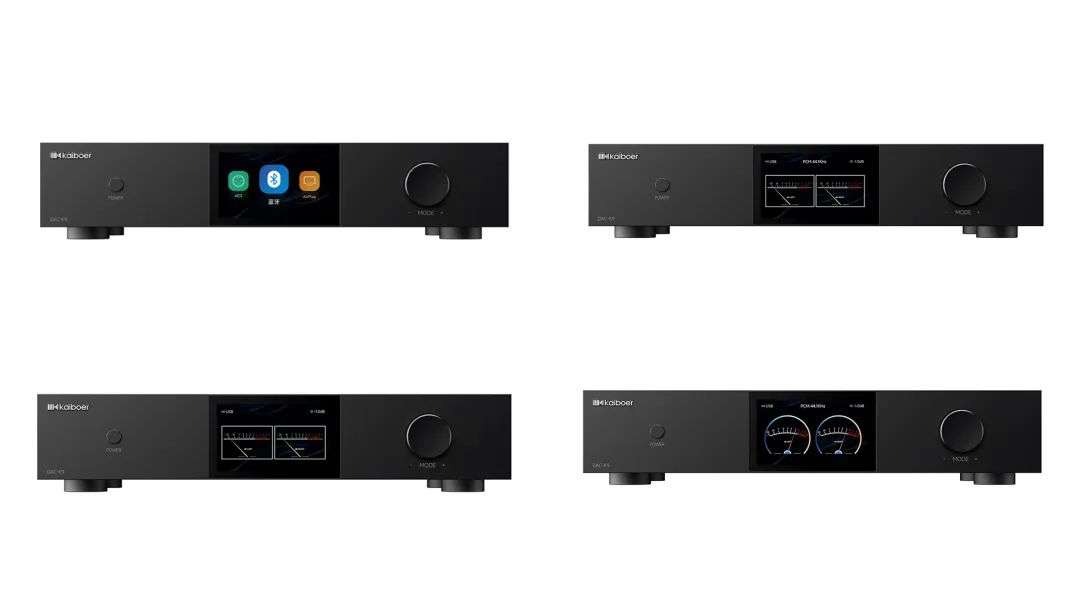
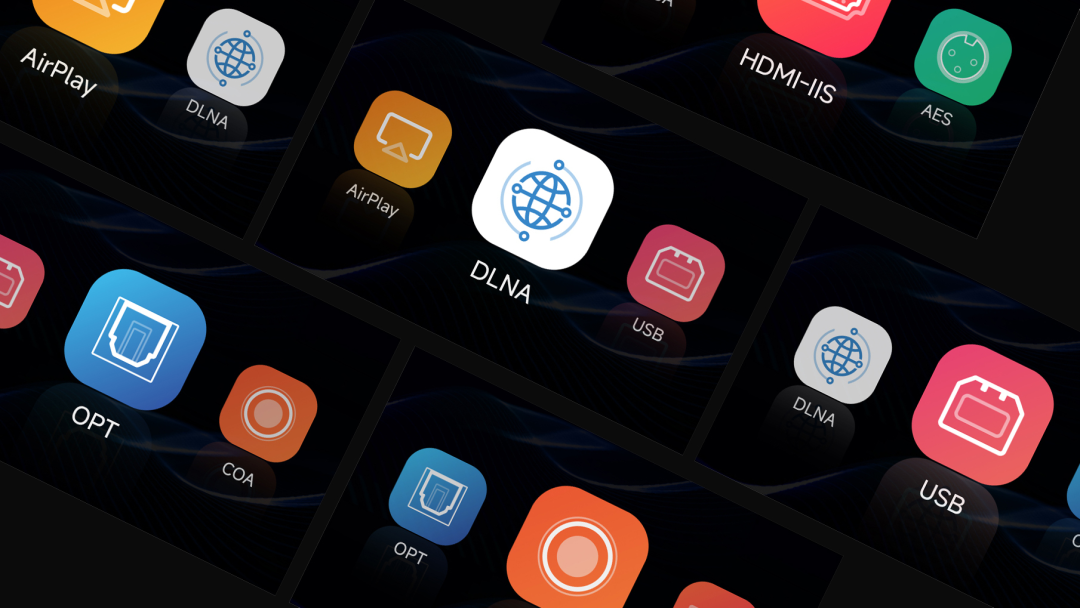
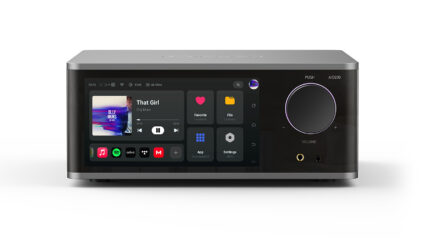
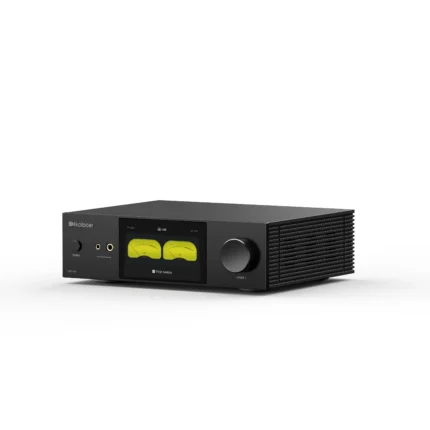
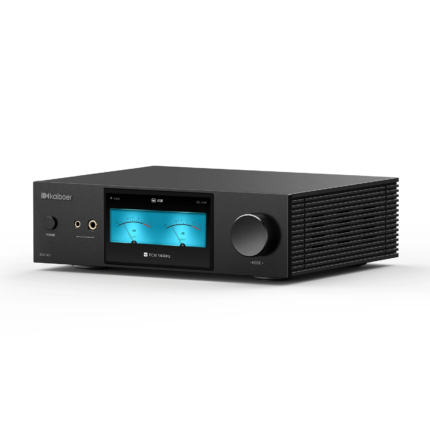
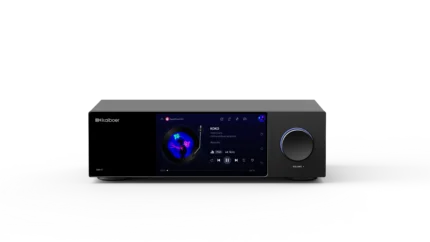
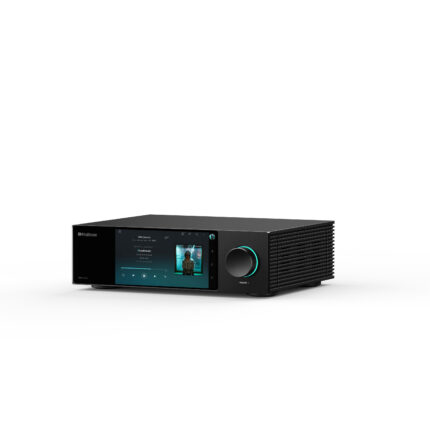
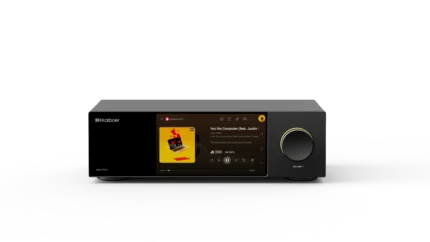
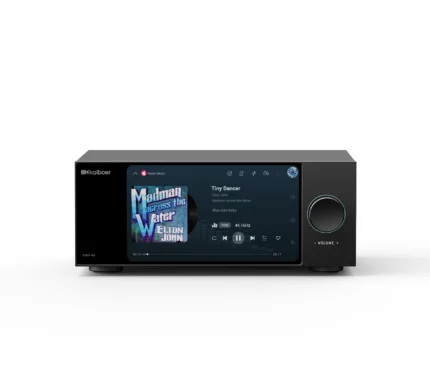
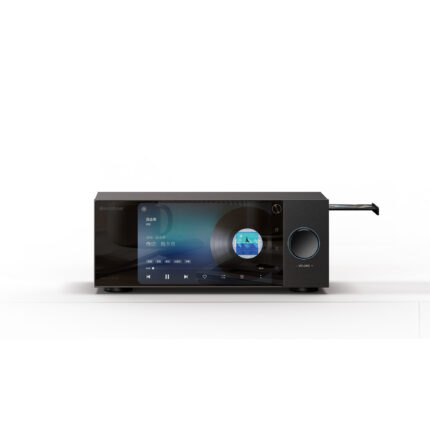
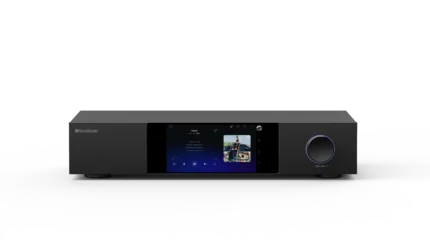
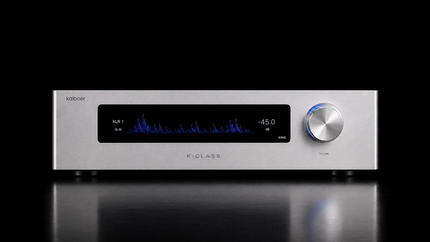
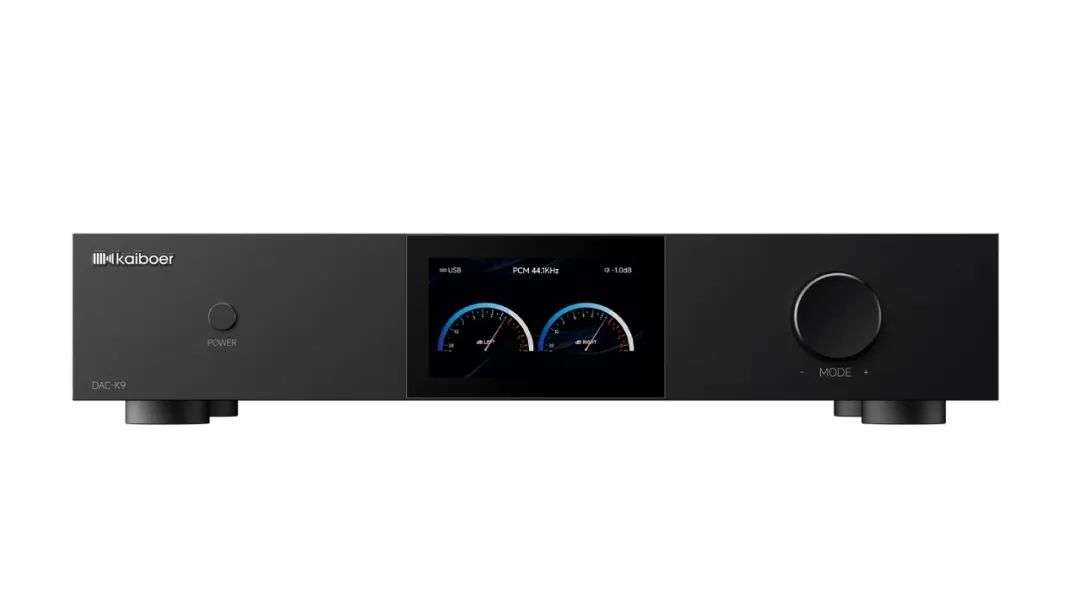
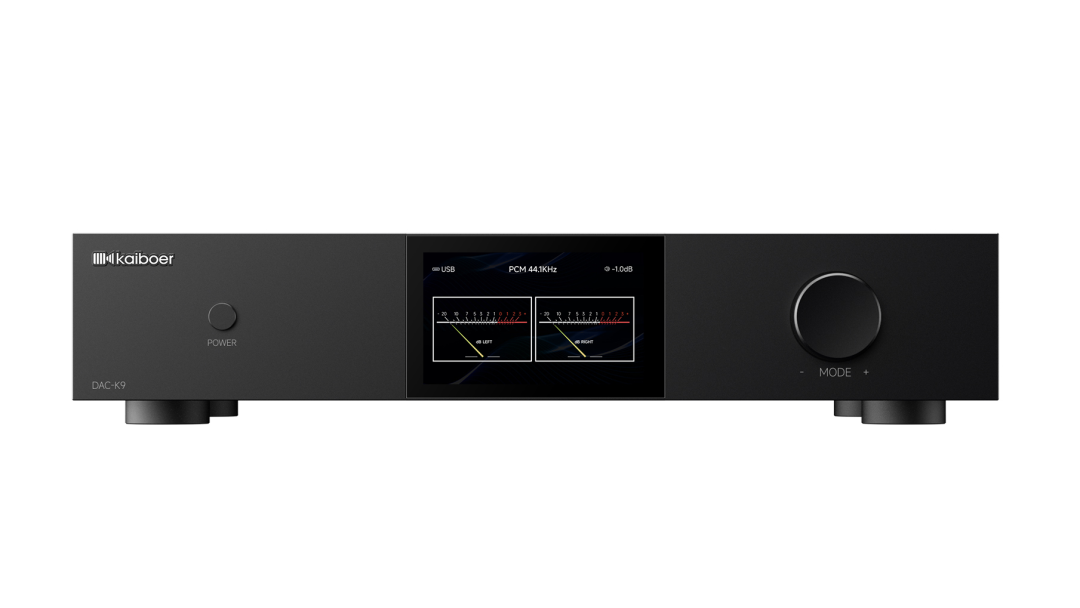
A 4.3-inch color screen provides input selection and several responsive VU-meter views. Users can operate the interface with the front-panel control or remote, adding a visual accompaniment to evening listening.

Dual ES9039PRO DAC chips
The DAC-K9 uses two flagship ESS ES9039PRO converters, with one chip dedicated to each channel. This independent-channel architecture is intended to reduce crosstalk and distortion while increasing dynamic range.
KAIBOER’s published laboratory figures were a dynamic range of 140 dB, total harmonic distortion of −125 dB and signal-to-noise ratio of 140 dB. The announcement specified native DSD512 and PCM up to 32-bit/768 kHz.
Dynamic range describes the difference between the strongest and weakest signals a device can handle. Signal-to-noise ratio compares the signal with background noise, while harmonic distortion describes additional harmonic content introduced during processing. The DAC-K9’s design aims to retain quiet detail as well as large musical peaks.


Dual toroidal linear power supplies
Two encapsulated toroidal transformers and a filter-capacitor array provide a low-noise power environment. The SilenceWave circuit separates digital and analog power delivery and uses balanced differential amplification to reduce interaction between circuits and improve channel separation.
The original laboratory report gave residual noise below 2.0 μVrms at the XLR output. In KAIBOER’s listening account of Sister Drum, a quiet background made subtle breath sounds and fine musical details easier to hear.


Signal integrity from USB to analog output
USB audio input uses the 16-core XMOS XU316 processor. Its asynchronous operation controls the USB audio clock at the DAC, reducing dependence on timing from the source.
A 50 MHz temperature-compensated clock was specified with a maximum frequency accuracy of ±0.1 ppm at 25°C. Together with the XMOS platform, this timing architecture is designed to reduce jitter and its effect on imaging.


Four OPA1612 operational amplifiers form the balanced analog amplification stage. The preview cited a voltage noise density of 1.1 nV/√Hz at 1 kHz and a 40 MHz bandwidth, describing their role in low-noise amplification and filtering high-frequency content from conversion.
The amplification arrangement supports balanced XLR and single-ended RCA connections. KAIBOER’s tuning aims to combine fine resolution with a comfortable presentation for longer listening sessions.


Wired and wireless connections
The original interface specifications included:
- USB audio: DSD512, PCM up to 32-bit/768 kHz and MQA support.
- Optical and coaxial: stereo DoP64 and PCM up to 24-bit/192 kHz.
- I²S: stereo DSD512 and PCM up to 32-bit/768 kHz.
- AES: stereo DoP64 and PCM up to 24-bit/192 kHz.
- Balanced XLR and single-ended RCA analog connections.
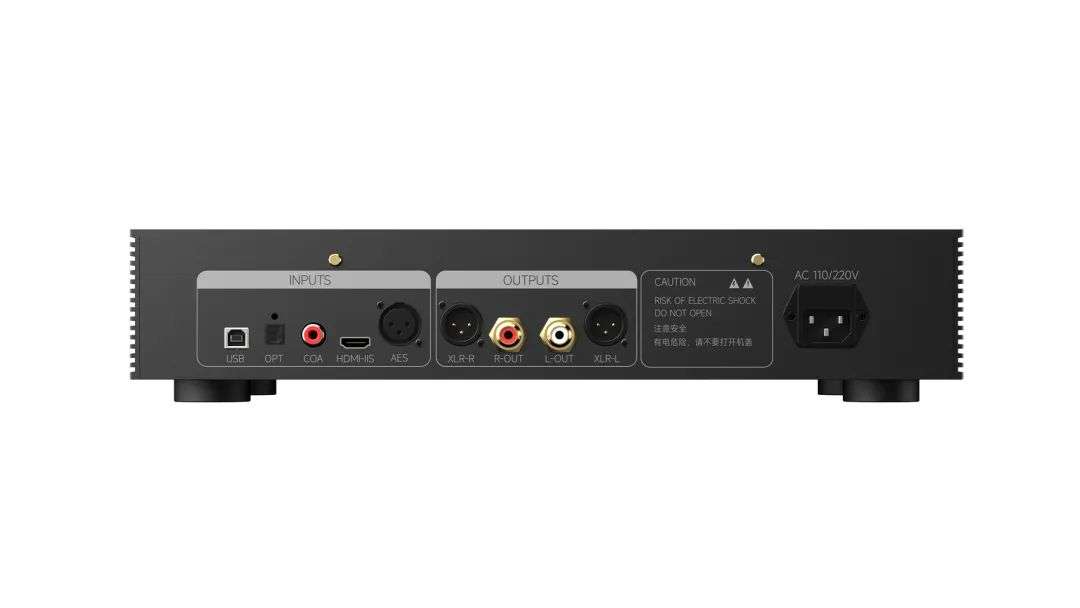

A Qualcomm QCC5125 module provides Bluetooth 5.1. The preview listed LDAC, aptX, aptX Low Latency, aptX HD, SBC and AAC, alongside the separate Wi-Fi streaming functionality.
Industrial design
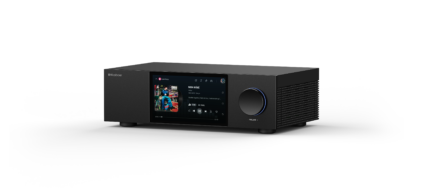
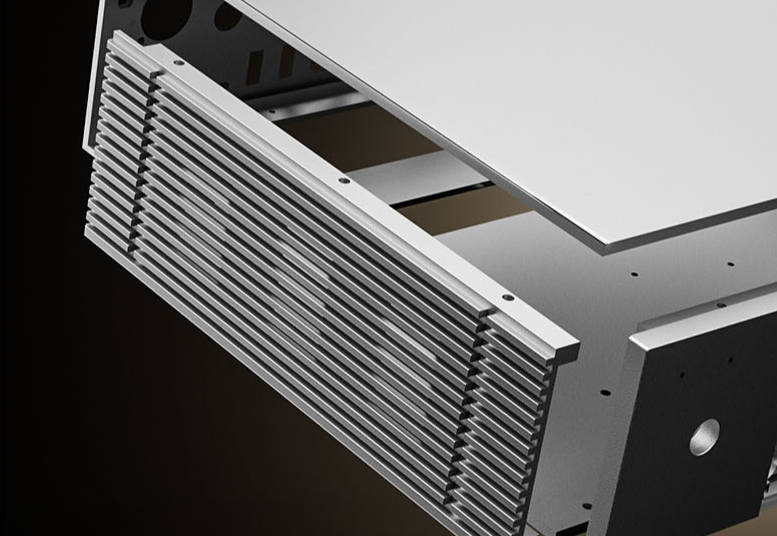
The DAC-K9 measures 430 × 250 × 75 mm. Its black aluminum enclosure is precision CNC-machined, providing a rigid chassis with shielding and heat dissipation.
KAIBOER also described an internal support frame optimized through finite-element analysis for mechanical and electromagnetic performance. The overall design combines a conventional full-width component format with modern display controls.

The announced Chinese launch price was RMB 4,999. This historical preview presented the DAC-K9 as a way to build a versatile system around dual flagship converters, low-noise power and both wired and wireless sources. Prices and availability in other markets depend on the seller.
English adaptation of the original KAIBOER Chinese article, published 2025-07-03. Original images retained.