How to Assess a Single-Crystal Copper Audio Cable

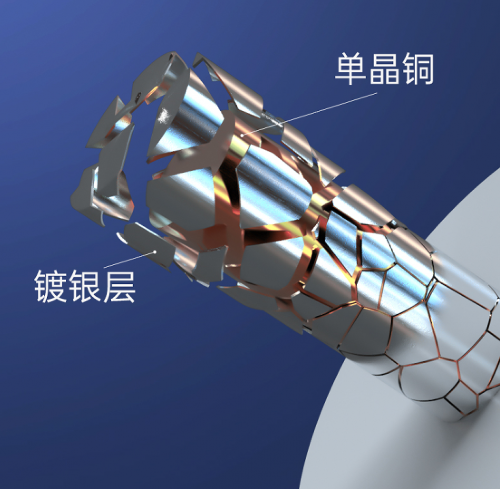
Experienced listeners often pay close attention to the cables connecting their systems. When comparing products, the original KAIBOER guide recommends considering conductor material, purity, cross-section and shielding, while also checking whether advertised material claims are supported.
This April 2023 article uses KAIBOER’s silver-plated single-crystal copper audio cables as examples of the details a buyer can inspect.
Conductor materials and clear specifications
The article describes single-crystal copper as a material favored by enthusiasts and silver-plated single-crystal copper as a combination intended to bring together the properties of both metals. Listening preferences vary, so the practical starting point is understanding the actual conductor construction rather than relying only on branding.
Marketing labels can be confusing. A foreign-sounding brand or an “imported” label does not by itself demonstrate better materials or more substantial construction. The article encourages users to examine what is inside the cable and ask for credible documentation.
Purity labels such as 6N and 7N refer to the number of nines in a quoted percentage. A higher number indicates a higher claimed purity, but the label should be assessed alongside test evidence and the supplier’s specification. The original guide specifically cautioned readers against unsupported 7N mass-production claims.
Cross-section and conductor size
The conductor cross-section gives a direct indication of the amount of material used. A larger cross-section generally reduces resistance for an otherwise comparable conductor. Cable diameter alone is insufficient, because jackets and fillers also contribute to thickness.
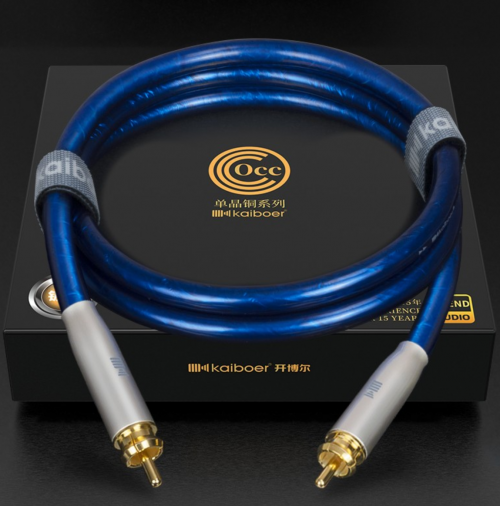
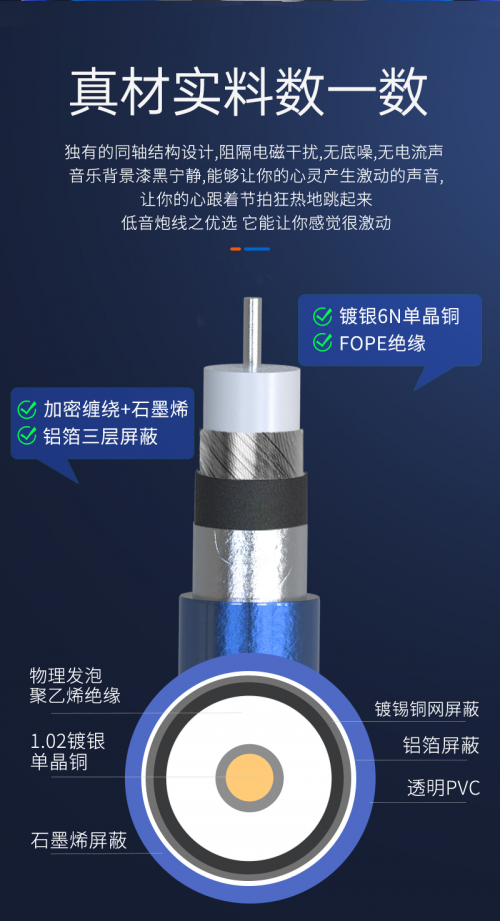
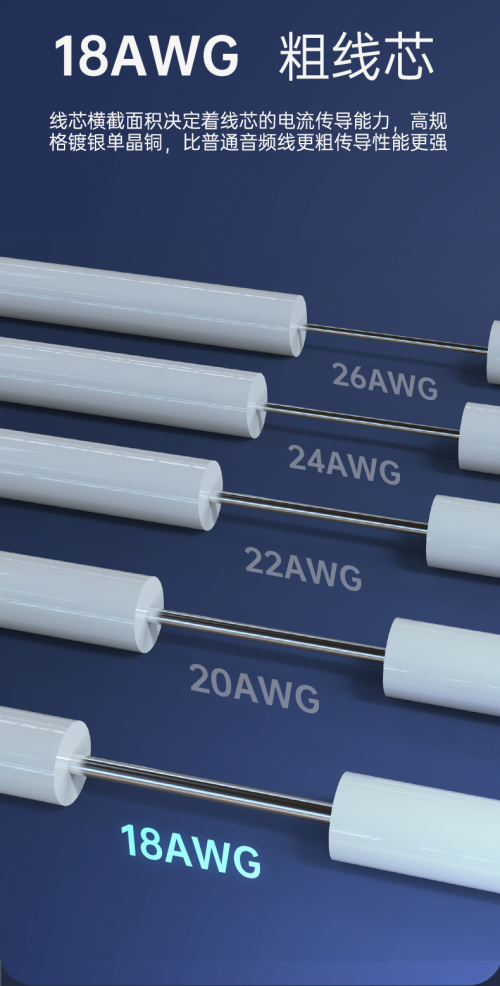
Inspect the core construction and compare documented conductor area, rather than assuming that a thick outer jacket means more conductive material.
Shielding construction
Powered equipment and nearby electrical wiring can create electromagnetic interference. The guide recommends examining shield coverage, braid density and the overall shielding arrangement.
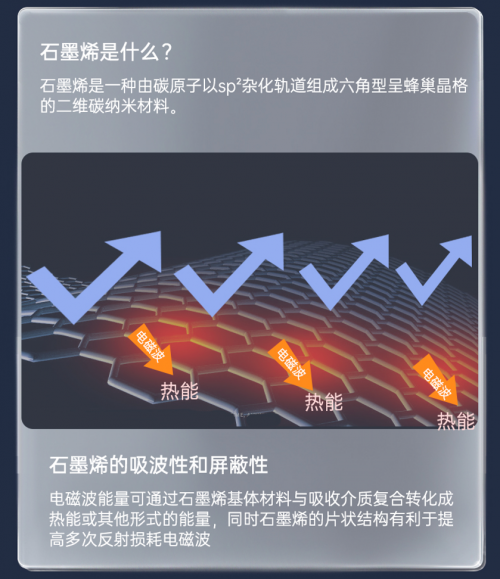
KAIBOER’s YP031 example was described as using three layers: aluminum foil, a graphene layer and a tinned mesh. The source article highlighted the continuous conductive layer as a complement to the gaps that can exist in a braided shield.
Jacket, flexibility and finishing
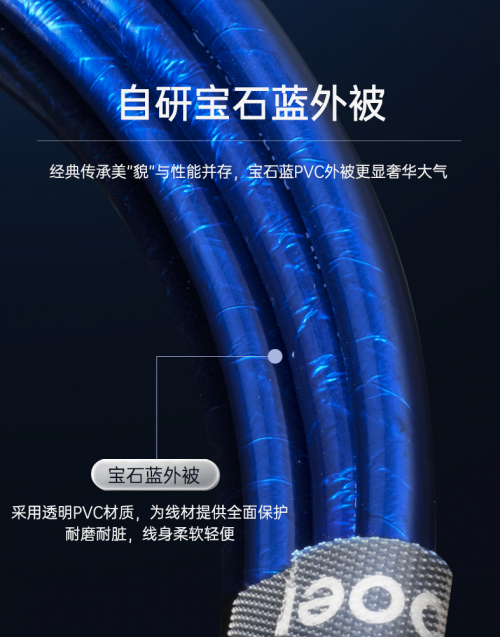
Exterior construction matters too. Check the fit and consistency of the PVC jacket, how the cable bends and whether the materials and finishing are appropriate for the installation. Appearance should complement the system, but useful construction details are a better guide than appearance alone.
Compare the product, not just its price
The guide concludes by encouraging readers to look beyond expensive labels and evaluate materials, construction and value. A cable’s price or brand origin does not replace a clear specification and a suitable match for the intended connection.
English adaptation of the original KAIBOER Chinese article, published 2023-04-13. Original images retained.